
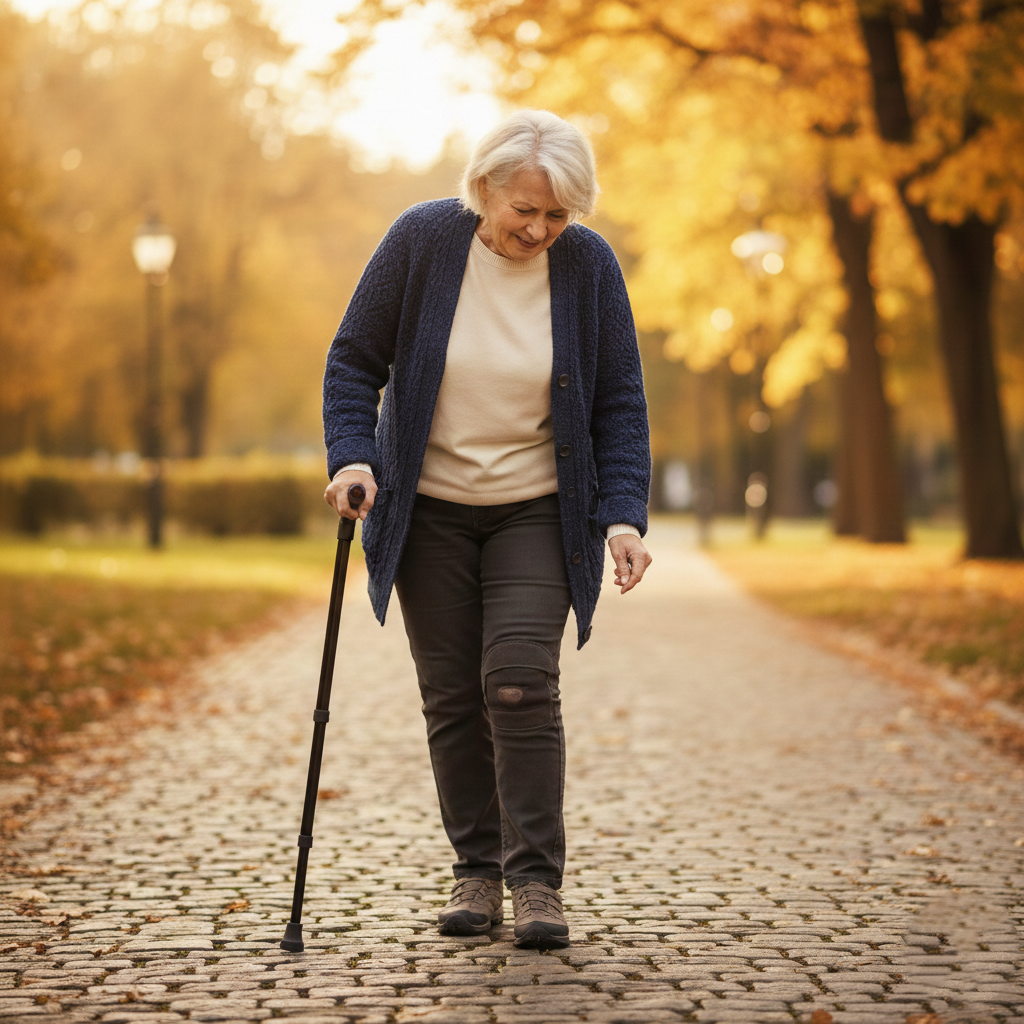
Osteoarthritis (OA) is often misunderstood as just an inevitable part of aging. However, it is a complex condition involving both mechanical and biological changes in our joints. Whether you are seeking to understand a new diagnosis or looking for evidence-based relief, this guide breaks down the latest research on managing OA.
What is Osteoarthritis?
Osteoarthritis is the result of mechanical and biological events that destabilize the normal process of degradation and synthesis of articular cartilage chondrocytes, extracellular matrix, and subchondral bone.
In simpler terms, it is the natural process of wear and tear on the joints. While it can occur in various parts of the body, the most commonly affected areas include:
Knee and Hip
Hands
Lumbar and Cervical Spine (Lower back and neck)
Who is at Risk?
A common misconception is that OA only affects the elderly. While the risk increases as we age, it can affect individuals across all age groups.
Prevalence by Age:
Under 30 years: ~1% prevalence
Over 40 years: ~10% prevalence
Over 60 years: ~50% prevalence
Primary Risk Factors:
Age: Specifically those >50 years.
Biological Sex: Females are at a higher risk.
Obesity: Increased weight puts higher mechanical stress on weight-bearing joints.
Genetics: Family history can play a role.
Common Signs and Symptoms
Identifying OA early can help in managing progression. Common clinical presentations include:
Pain and Stiffness: Typically worsens with physical activity.
Short-term Stiffness: Usually lasts less than 30 minutes (often occurring upon waking).
Physical Changes: Bony enlargement, bony tenderness, and crepitus (a grating sound or sensation in the joint).
Evidence-Based Management and Treatment
According to current literature, all patients should begin with non-pharmacological approaches before moving to more invasive treatments.
1. Education and Exercise
The foundation of care includes patient education, self-management, and exercise programs. It is important to remember that exercise is not harmful to the joints. Effective forms of movement include:
Resistance training
Tai Chi and Yoga
Water-based exercises and balance training
2. Manipulative Therapy
A 2012 systematic review of 399 studies found moderate to good evidence supporting manipulative therapy for knee OA. Success rates increase significantly when combined with multimodal care, such as stretching, strengthening exercises, and patient education.
3. The Power of Acupuncture
While many modalities exist (such as laser, TENS, and ultrasound), research suggests acupuncture is one of the most effective tools for short-term pain relief and functional improvement.
Research Spotlight: A 2013 network meta-analysis of 114 trials (9,709 patients) found that acupuncture was statistically significantly better than standard care and even outperformed muscle-strengthening exercises alone for pain reduction.
4. Weight Loss and Lifestyle
Lifestyle changes remain a pillar of treatment. Weight loss achieved through a combination of diet and exercise significantly reduces the forces and “moments” placed on the knee joint during walking, protecting the joint from further degradation (Messier et al., 2005).
Summary of Research Findings
Current evidence indicates that a combination of acupuncture, manipulative therapy, and lifestyle-based interventions (diet/exercise) provides the most effective relief for those living with osteoarthritis.
Disclaimer: This content is for educational purposes only and does not constitute medical advice. This information is not intended to replace professional medical advice, diagnosis, or treatment. For individualized advice, always contact your qualified health care provider.
References
- BMJ Best Practice. Osteoarthritis [Internet]. 2020 May.
- Brantingham JW, et al. Manipulative therapy for lower extremity conditions. J Manipulative Physiol Ther. 2012.
- Hoeksma, H. L., et al. Comparison of manual therapy and exercise therapy in OA of the hip. Arthritis and Rheum. 2004.
- Anwer, S., et al. Effects of orthopaedic manual therapy in knee OA. Physiotherapy. 2018.
- Corbett, M. S., et al. Acupuncture and other physical treatments for the relief of pain due to OA of the knee. Osteoarthritis and Cartilage. 2013.
- Messier, S. P., et al. Weight loss reduces knee-joint loads in overweight and obese older adults. Arthritis & Rheumatism. 2005.