
Lumbar spinal stenosis is a common degenerative spine condition, particularly in older adults. This article provides an evidence-based overview of its clinical features, risk factors, and conservative management options.
Lumbar spinal stenosis (LSS) occurs when the spaces within the lower spine narrow, placing pressure on nearby neural and vascular structures. This narrowing most commonly affects the central spinal canal, lateral recesses, or intervertebral foramina and is typically the result of age-related degenerative changes.
Degenerative processes such as facet joint arthropathy, thickening of spinal ligaments, intervertebral disc bulging or protrusion, and vertebral slippage (spondylolisthesis) can all contribute to reduced space within the spinal canal. Symptoms develop when the cauda equina and/or exiting nerve roots become compressed.
Although lumbar spinal stenosis may be congenital, this article focuses on degenerative LSS, which is far more prevalent and most commonly affects individuals over the age of 60.
Clinical Presentation
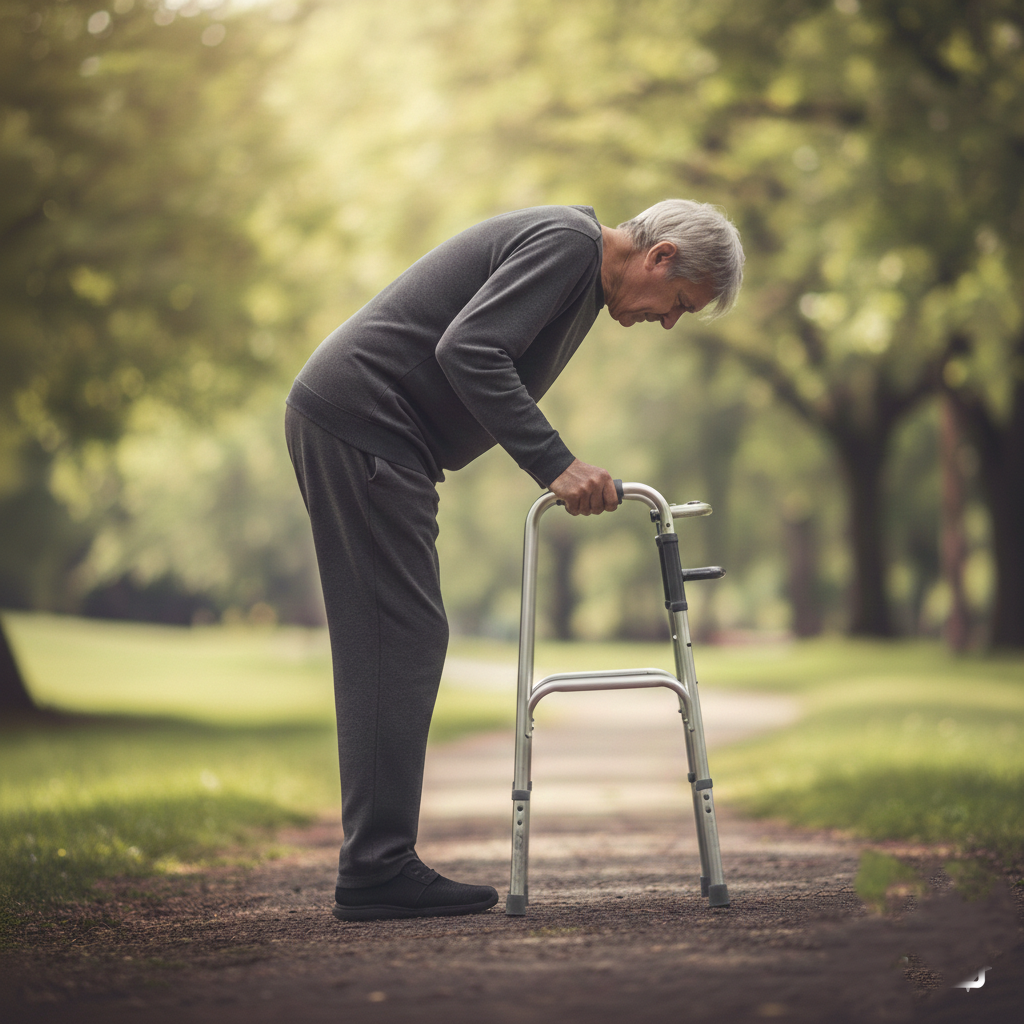
The hallmark presentation of symptomatic lumbar spinal stenosis is neurogenic claudication, which may involve pain, discomfort, or neurological symptoms in one or both legs. In some cases, patients may also experience features of lumbar radiculopathy.
Common Signs and Symptoms
Pain that radiates into one or both legs
Aching, cramping, or burning sensations in the lower extremities
Tingling, numbness, pins-and-needles sensations, or weakness
Balance difficulties or reduced walking tolerance
Symptoms that worsen with spinal extension (e.g., prolonged standing or walking)
Symptom relief with forward bending, sitting, or lying down
Risk Factors
Several factors increase the likelihood of developing lumbar spinal stenosis, including:
- Age greater than 60 years
- History of previous spinal or back surgery
- Occupations involving repetitive or heavy manual labour
- Genetic or family history of spinal degenerative conditions
Red Flags: When to Seek Urgent Medical Attention
Certain symptoms may indicate a more serious underlying condition and require immediate medical evaluation:
Cauda Equina Syndrome: saddle numbness, bladder or bowel dysfunction, or rapidly progressing bilateral leg symptoms
Spinal Infection: recent surgery, systemic infection, or immunosuppression
Traumatic Spinal Fracture: history of significant trauma with severe back pain
Diagnostic Imaging
Advanced imaging is often used to confirm the diagnosis and guide management. This may include:
Magnetic Resonance Imaging (MRI) – preferred for visualizing neural structures
Computed Tomography (CT) – useful when MRI is contraindicated or unavailable
Conservative Management: A Multimodal Approach
For most individuals, non-surgical care is the first-line approach to managing lumbar spinal stenosis. Evidence supports a multidisciplinary and individualized treatment plan, which may include the following components:
Education and Reassurance
Patients are educated about the nature of LSS, the importance of remaining active, recognizing symptom triggers, and using positions or movements that help relieve symptoms.
Exercise Therapy
Targeted exercise programs may involve:
Walking programs
Functional and strengthening exercises
Flexion-based movements
Home-based or supervised rehabilitation plans
Manual Therapy
Hands-on treatments may include:
Chiropractic care (spinal mobilization, manipulation, and soft tissue techniques)
Physiotherapy interventions
Massage or relaxation-based therapies
Psychological Support
Incorporating psychological strategies alongside physical care can help address fear-avoidance, pain coping, and overall treatment adherence.
Medical Referral and Surgical Considerations
Referral for medical or surgical consultation may be appropriate when symptoms:
Progress or worsen despite conservative care
Include significant or increasing neurological deficits
Cause severe, persistent pain that limits daily function
References
- CCGI Research. Lumbar Spinal Stenosis Care Pathway.
https://www.ccgi-research.com/lss/home - BMJ Best Practice. Spinal stenosis.
https://bestpractice.bmj.com/topics/en-gb/191 - Ammendolia C, et al. (2022). Non-operative treatment for lumbar spinal stenosis with neurogenic claudication: an updated systematic review. BMJ Open, 12(1), e057724. https://doi.org/10.1136/bmjopen-2021-057724
- Temporiti F, et al. (2022). Physiotherapy interventions for lumbar spinal stenosis: a systematic review. European Spine Journal, 31(6), 1370–1390. https://doi.org/10.1007/s00586-022-07222-x
- Chen L, et al. (2024). Surgical interventions for degenerative lumbar spinal stenosis: a network meta-analysis. BMC Medicine, 22(1), 430. https://doi.org/10.1186/s12916-024-03653-z
Disclaimer
This content is intended for educational purposes only and does not replace professional medical advice, diagnosis, or treatment. Please always consult a qualified healthcare professional for individual assessment, diagnosis, or care.