
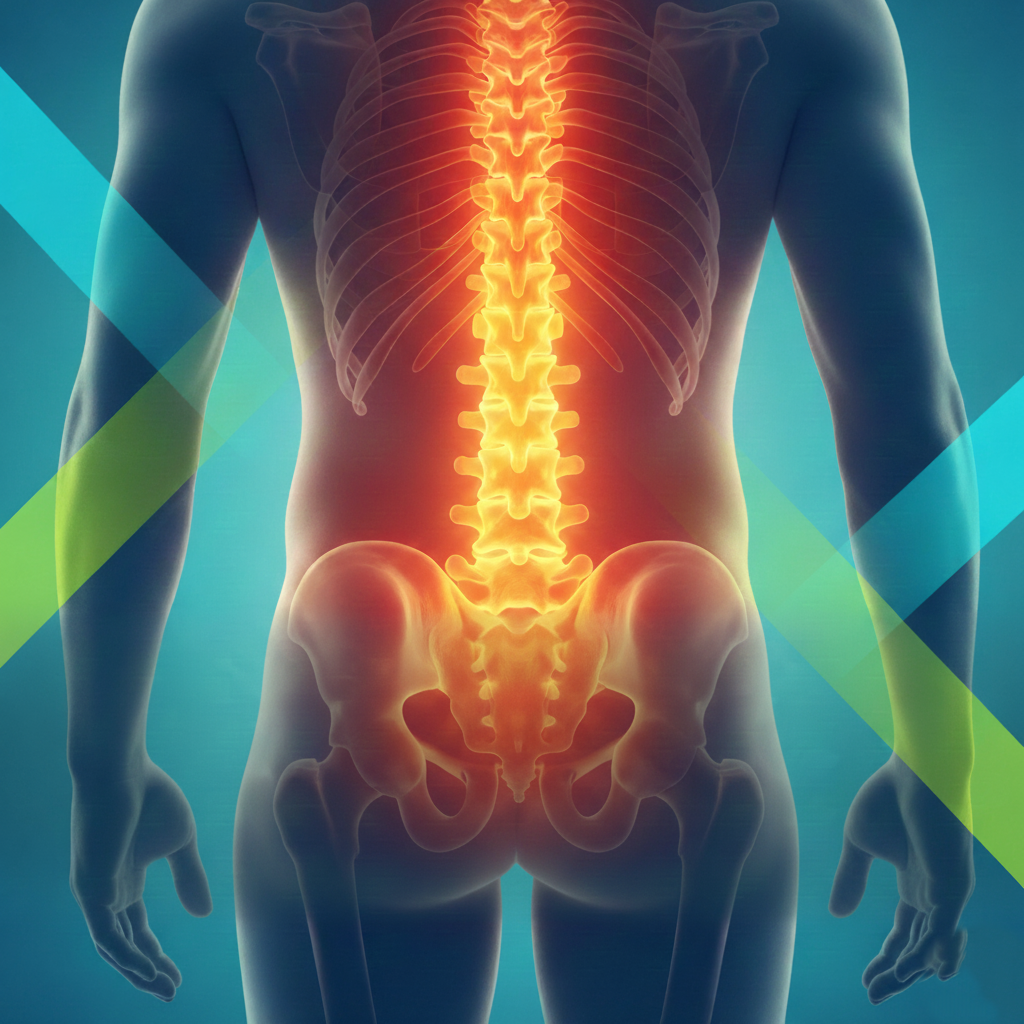
Understanding Mechanical Lower Back Pain:
Lower back pain is one of the most common reasons people seek care. However, understanding the nature of that pain is the first step toward effective recovery.
What Is Mechanical (Musculoskeletal) Lower Back Pain?
Musculoskeletal lower back pain—also known as mechanical lower back pain—is the most common type of low back pain. It originates from dysfunction or strain involving the muscles, ligaments, joints, intervertebral discs, or other supporting structures of the lumbar spine, rather than from a serious underlying medical condition.
This type of back pain is typically movement-dependent. This means your symptoms will often worsen with certain activities (like lifting or bending) and improve with rest or specific, appropriate movements.
Common Causes and Risk Factors
Mechanical lower back pain rarely has a single contributing factor.” Instead, it usually develops from a combination of lifestyle, occupational, and physical factors that place increased stress on the spine.
Key contributing factors include:
Sedentary Lifestyle: Prolonged sitting can weaken core support and irritate the joints.
Static Posture: Holding the same position for too long.
Mechanical Loading: Repetitive lifting or improper lifting techniques.
Body Weight: Overweight or obesity can increase the load on spinal structures.
Physical Trauma: Motor vehicle accidents, sports injuries, or falls.
Natural Aging: Age-related degenerative changes in the discs and joints (DDD/DJD)
These factors alter normal spinal mechanics, leading to increased strain on the muscles, joints, and connective tissues of the lower back.
The Path to Recovery: Management and Treatment
Management of mechanical lower back pain typically begins with conservative care. The primary goals are to reduce pain, restore function, and prevent recurrence of the pain.
Key Components of Conservative Management:
Education and Reassurance: Understanding that the pain is mechanical and likely to improve.
Stay Active: Maintaining normal activity levels and avoiding prolonged bed rest, which can actually stiffen the spine.
Lifestyle Adjustments: Addressing ergonomics at work, posture, and general physical activity levels.
Common Treatment Options:
Chiropractic Care & Physiotherapy: To improve mobility, strength, and spinal function.
Massage Therapy: To address soft tissue tension and improve circulation.
Pharmacological Support: If symptoms don’t improve with conservative care, medical intervention/referral may be considered as the next step of care.
Differential Diagnosis: When It’s Not “Just” Mechanical
While most back pain is mechanical, it is vital to rule out more serious underlying conditions. Healthcare providers look for “Red Flags” that might suggest:
Neurological Compromise: Such as nerve root compression or cauda equina syndrome.
Neoplastic Conditions: Primary or metastatic spinal tumors.
Inflammatory Arthritis: Conditions like ankylosing spondylitis and Rheumatoid Arthritis.
Spinal Fractures: Resulting from trauma or osteoporosis.
Referred Pain: Pain originating from the kidneys, abdomen, or pelvic structures.
Note: Mechanical lower back pain is typically diagnosed after these conditions have been excluded through a thorough history, physical examination, and—when clinically indicated—imaging.
Key Takeaway
Most cases of lower back pain are mechanical and respond exceptionally well to education, active care, and conservative treatment. Early intervention, staying mobile, and adjusting lifestyle factors are the cornerstones of long-term spine health.
Disclaimer: This content is for educational purposes only and does not constitute medical advice. This information is not intended to replace professional medical advice, diagnosis, or treatment. For individualized advice, always contact your qualified health care provider.
Lorem ipsum dolor sit amet, consectetur adipiscing elit. Ut elit tellus, luctus nec ullamcorper mattis, pulvinar dapibus leo.